

Pudendal Neuralgia
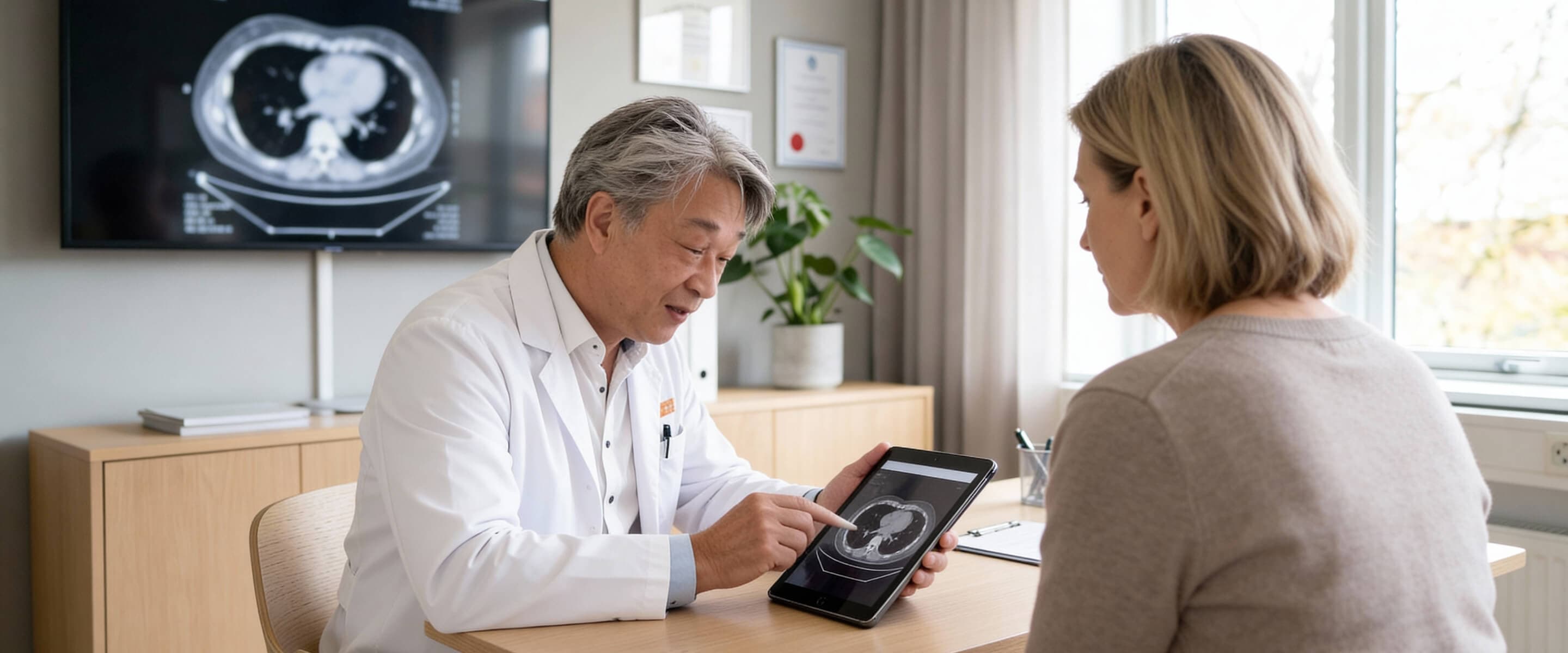
Pudendal nerve entrapment can cause pelvic pain, numbness, and symptoms that are often difficult to diagnose. Our specialists focus on identifying the true source of pudendal nerve irritation and guiding appropriate next steps in care.

Pudendal neuralgia occurs when the pudendal nerve, which supports sensation and muscle control in the pelvic floor and genital region, becomes irritated or compressed. This can cause burning pain, numbness, or changes in bladder, bowel, or sexual function, often worsening with sitting.
Because these symptoms resemble bladder, gynecologic, prostate, and spinal conditions, an accurate diagnosis is essential.
Pudendal neuralgia occurs when the pudendal nerve, which supports sensation and muscle control in the pelvic floor and genital region, becomes irritated or compressed. This can cause burning pain, numbness, or changes in bladder, bowel, or sexual function, often worsening with sitting.
Because these symptoms resemble bladder, gynecologic, prostate, and spinal conditions, an accurate diagnosis is essential.

Symptoms vary depending on where the nerve is compressed, but may include:
• Burning, sharp, or electric pelvic pain
• Pain that worsens with sitting and improves when standing
• Numbness or altered sensation in the pelvis or perineum
• Discomfort during intercourse
• Urinary urgency or difficulty
• Pain after bowel movements
Not everyone experiences all symptoms, and severity can differ, which is why specialist evaluation matters.
Symptoms vary depending on where the nerve is compressed, but may include:
• Burning, sharp, or electric pelvic pain
• Pain that worsens with sitting and improves when standing
• Numbness or altered sensation in the pelvis or perineum
• Discomfort during intercourse
• Urinary urgency or difficulty
• Pain after bowel movements
Not everyone experiences all symptoms, and severity can differ, which is why specialist evaluation matters.

Pudendal neuralgia can develop from factors that irritate or compress the nerve, including:
• Prolonged sitting
• Cycling or repetitive strain
• Pelvic trauma or childbirth
• Previous pelvic or hip surgery
• Muscle spasm or pelvic floor dysfunction
• Anatomical narrowing in the pudendal canal
• Chronic constipation or increased pelvic pressure
Often, multiple factors contribute. Identifying the specific site and cause of compression is key to effective treatment.
Pudendal neuralgia can develop from factors that irritate or compress the nerve, including:
• Prolonged sitting
• Cycling or repetitive strain
• Pelvic trauma or childbirth
• Previous pelvic or hip surgery
• Muscle spasm or pelvic floor dysfunction
• Anatomical narrowing in the pudendal canal
• Chronic constipation or increased pelvic pressure
Often, multiple factors contribute. Identifying the specific site and cause of compression is key to effective treatment.

Diagnosis requires a detailed, specialist-led evaluation. Our approach includes:
• Comprehensive review of symptoms and pain patterns
• Physical and neurological assessment of pelvic nerve function
• Evaluation of pelvic floor muscles and tension
• MRI or targeted imaging when appropriate
• Diagnostic nerve blocks to confirm the site of irritation
• Differential diagnosis to rule out bladder, gynecologic, spinal, or gastrointestinal causes
This helps clarify whether pudendal neuralgia is present and where the nerve is being compressed.
Diagnosis requires a detailed, specialist-led evaluation. Our approach includes:
• Comprehensive review of symptoms and pain patterns
• Physical and neurological assessment of pelvic nerve function
• Evaluation of pelvic floor muscles and tension
• MRI or targeted imaging when appropriate
• Diagnostic nerve blocks to confirm the site of irritation
• Differential diagnosis to rule out bladder, gynecologic, spinal, or gastrointestinal causes
This helps clarify whether pudendal neuralgia is present and where the nerve is being compressed.

Your treatment plan depends on your symptoms, underlying causes, and response to previous care. Options may include:
Conservative care:
• Pelvic floor physiotherapy
• Postural and activity modifications
• Medications for nerve-related pain
• Image-guided nerve blocks
• Behavioral and desensitization therapies
Surgical care:
If symptoms remain severe and are confirmed to be caused by pudendal nerve compression, minimally invasive surgery may be considered.
Pudendal nerve decompression is performed using advanced techniques to carefully release the nerve from surrounding structures such as ligaments, fascia, or areas of anatomical narrowing. When indicated, piriformis release may be addressed during the same procedure.
The procedure typically takes 60 minutes, depending on the findings and structures involved. Most patients go home the same day, followed by a gradual return to activity and structured follow-up to support nerve recovery.
Your treatment plan depends on your symptoms, underlying causes, and response to previous care. Options may include:
Conservative care:
• Pelvic floor physiotherapy
• Postural and activity modifications
• Medications for nerve-related pain
• Image-guided nerve blocks
• Behavioral and desensitization therapies
Surgical care:
If symptoms remain severe and are confirmed to be caused by pudendal nerve compression, minimally invasive surgery may be considered.
Pudendal nerve decompression is performed using advanced techniques to carefully release the nerve from surrounding structures such as ligaments, fascia, or areas of anatomical narrowing. When indicated, piriformis release may be addressed during the same procedure.
The procedure typically takes 60 minutes, depending on the findings and structures involved. Most patients go home the same day, followed by a gradual return to activity and structured follow-up to support nerve recovery.

A specialist evaluation may be beneficial if:
• Pelvic pain has lasted more than a few weeks
• Sitting consistently worsens symptoms
• Physiotherapy or pain management hasn't helped
• You’ve received conflicting diagnoses
• Tests for bladder, gynecologic, or spinal issues were normal
• You suspect pudendal nerve involvement but haven’t had a thorough assessment
A focused evaluation can determine whether pudendal neuralgia or another condition is the true cause of your symptoms and guide your next steps.
A specialist evaluation may be beneficial if:
• Pelvic pain has lasted more than a few weeks
• Sitting consistently worsens symptoms
• Physiotherapy or pain management hasn't helped
• You’ve received conflicting diagnoses
• Tests for bladder, gynecologic, or spinal issues were normal
• You suspect pudendal nerve involvement but haven’t had a thorough assessment
A focused evaluation can determine whether pudendal neuralgia or another condition is the true cause of your symptoms and guide your next steps.
Your Care Journey
Finding answers when you’re unsure what’s wrong can feel overwhelming.
That’s why we guide you through a clear, proven pathway from your first consultation to recovery.
Every stage is personal, precise, and focused on long-lasting relief.
Consultation
Start With Clarity
Your journey begins with an online or in-person consultation. Our specialists take time to understand your symptoms, medical history, and previous treatments so we can assess whether your pain may be related to pudendal neuralgia or another pelvic, spinal, or nerve condition.
Diagnosis
Pinpointing the Cause
We perform focused clinical tests, symptom mapping, and imaging when needed to identify the exact source of nerve irritation. In some cases, a diagnostic nerve block helps confirm pudendal neuralgia and rule out other potential causes.
Treatment Plan
Your Path Forward
We begin with conservative therapies such as pelvic physiotherapy, posture adjustments, and nerve-focused treatments. If symptoms persist, we reassess together and discuss the most appropriate next steps.
Surgery
Expert Intervention
Surgery is considered only when conservative options have been fully explored and symptoms remain unresolved. When indicated, pudendal nerve decompression is performed using advanced microsurgical techniques designed to safely relieve pressure on the nerve.
Recovery
Ongoing Support
Your care continues well after surgery. We provide guidance on physiotherapy, activity progression, and long-term symptom management, along with structured follow-ups to support your healing.


Still in Pain? It May Not Be Sciatica.
Pudendal neuralgia is often mistaken for sciatica because both can cause burning or shooting pain in the pelvis, buttock, or leg. If spine or sciatica treatments haven’t helped, a focused pelvic nerve evaluation can determine whether the pudendal nerve is the true source of your symptoms.
Why Specialized
Evaluation Matters
Pudendal neuralgia is complex and often misdiagnosed, with symptoms that can overlap with other pelvic, musculoskeletal, or nerve-related conditions. At our centers in Dubai and Belgium, specialized evaluation helps confirm pudendal nerve involvement and guide appropriate care, even when answers have been difficult to find.

Focused Expertise
Dedicated evaluation of pudendal neuralgia and pelvic nerve conditions.

Differential Diagnosis
Assessment to differentiate pudendal nerve pain from other pelvic or spinal causes.

Targeted Testing
Targeted examination and diagnostics to confirm pudendal nerve involvement.

Treatment Planning
Clear treatment pathways based on confirmed nerve-related findings.
Frequently Asked Questions
(FAQ)
Pudendal neuralgia can be confusing, especially when symptoms resemble bladder, gynecologic, or spinal conditions. These FAQs provide clear answers to the questions patients ask most, helping you feel informed and confident in your next steps.
Persistent pelvic pain, pain that worsens with sitting, changes in urinary or bowel habits, or symptoms that affect sexual function are all reasons to seek evaluation. Early assessment helps clarify the cause and may prevent symptoms from worsening.
Home strategies may include reducing prolonged sitting, using pressure-relief cushions, avoiding constipation, and practicing gentle pelvic floor relaxation techniques recommended by a clinician. These may reduce irritation, but they are not a substitute for specialist evaluation.
Candidates typically include individuals with significant, persistent symptoms despite structured conservative treatment such as pelvic physiotherapy, medications, and nerve blocks, and who show clear diagnostic evidence of pudendal nerve compression. Other causes of pelvic pain should be ruled out first.
Risks may include infection, bleeding, temporary numbness, or worsening of symptoms. In rare cases, nerve damage can occur. Choosing an experienced surgical team helps minimize these risks and ensures thorough evaluation before surgery is advised.
Recovery varies by patient. Some begin noticing improvement within several weeks, while full recovery may take several months. Physical therapy, gradual activity progression, and consistent follow-up care are important parts of the healing process.
Some initial discomfort is normal and can be managed with medication. Patients are generally advised to limit prolonged sitting and strenuous activity for the first few weeks. As symptoms improve, your care team will guide you in safely returning to normal activities.
Outcomes vary depending on factors such as symptom duration, severity, and anatomical findings. Many patients experience meaningful improvement, while others may require ongoing therapy or additional treatments. Your specialist will discuss realistic expectations based on your specific condition.
Diagnosis involves a detailed clinical evaluation, symptom assessment, targeted physical tests, and, when appropriate, imaging or diagnostic nerve blocks. Because many conditions can mimic pudendal neuralgia, accurate diagnosis is essential before choosing treatment.
Still unsure about your symptoms?
Our specialists can help you understand what’s causing your pain and guide you toward the right next steps.